The history of
India dates back to 5000 years back when India's first
major civilisation flourished along the Indus River
valley. The Indus civilization at one point of time
extended nearly a million square kilometres across the
Indus river valley and existed at the same period as
the ancient civilizations of Egypt and Sumer but far
outlasted them. Aryans came around 1500 BC and were
mainly responsible for collapse of Indus Valley civilisation.
The Four Vedas or the important books of Hinduism/India
were compiled in this period.
The modern India got its independence
from Britain in 1947 after a long struggle led mostly
by Mahatma Gandhi. However, the country was divided
into two countries, in the process of becoming independent.
Post independence, India has made huge progress inspite
of great problems, and has developed its industry and
its agriculture, and has maintained a system of government
which makes it the largest democracy in the world.
In a country as diverse and complex
as India, it is natural to find that people here reflect
diverse culture, traditions and values and the rich
glories of the past, habits and food that will always
remain truly Indian. Ethnically Indians speak different
languages, follow different religions, eat the most
diverse varieties of food all of which add to the rich
Indian culture. Vibrant Indian cities are home to world-renowned
temples and palaces, while the tranquil coast offers
the perfect recipe for rest, recuperation and a sense
of peace. A lot of festivals like Diwali, Holi, Id,
Christmas, Mahaveer Jayanthi are all celebrated by sharing
sweets and pleasantries with family, neighbours and
friends.
Weather
India
experiences at least three seasons a year, Summer, Wet
(or "Monsoon") and Winter, each of which can
vary in duration from north to south.
The heat starts to build up on India's
northern plains from around February, and gradually
summer hots up by April or May and is at its peak in
June. In central India temperatures of 45°C and
above are commonplace. Even South India also becomes
uncomfortable during summer season.
The first signs of the monsoon (rainy
season) are visible in some areas of India as early
as in the early part of May. It rains heavily when the
monsoon finally arrives around 1 June in the extreme
south and later sweeping north to cover the whole country
by early July. The season as well as the phenomenon
that causes it is called the monsoon. There are two
of them, the Southwest and the Northeast, both named
after the directions the winds come from.
Around October the climate starts becoming
cooler and most of the northern cities become crisp
at night in December. In the far south, the temperatures
are comfortably warm rather than hot, since it never
gets cool there. November to January is the winter season.
There is also a brief spring in February and March,
especially in North India.
Places
to See
Popular
Cities:
Agra
Darjeeling
Delhi
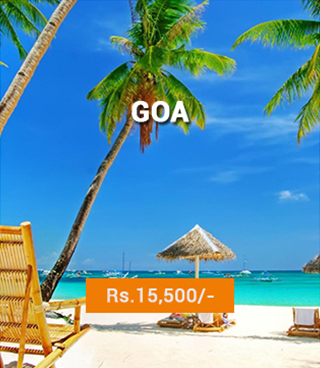
Goa
Jaipur
Kolkata
Mumbai
Landmark Destinations:
Taj Mahal - Agra, Uttar Pradesh
Historical Ruins - Hampi, Karnataka
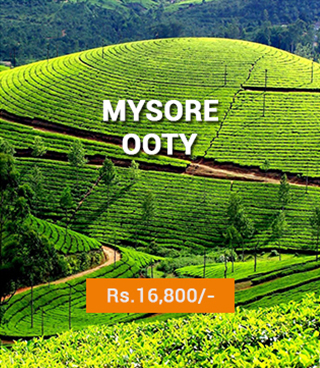
Mysore Palace - Mysore, Karnataka
The Mall - Victorian heritage - Shimla, Himachal Pradesh
Ajanta Caves - Near Aurangabad / Jalgaon
Crawford Market - Kalbadevi, Mumbai
Gateway of India - Colaba, Mumbai
Humayun's Tomb - Delhi
Jaisalmer Fort - Jaisalmer, Rajasthan
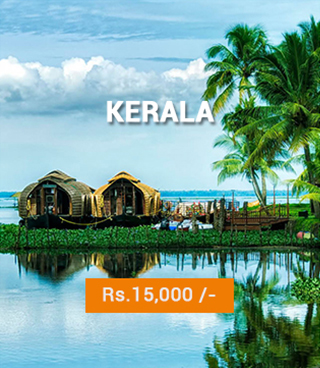
Kerala Backwaters - Kerala
Khajuraho temples - Madhya Pradesh
Sacred Cities:
Amritsar, Punjab
Bodh Gaya, Bihar
Khajuraho, Madhya Pradesh
Madurai, Tamil Nadu
Shravanabelagola, Karnataka
Tirupati, Andhra Pradesh
Uttaranchal
Varanasi, Uttar Pradesh
Vrindavan, Uttar Pradesh
Large Cities:
New Delhi
Ahmedabad
Bangalore
Kolkata (formerly Calcutta)
Chennai (formerly Madras)
Hyderabad
Jaipur
Mumbai (formerly Bombay)
Pune
Festivals
& Events
Indian celebrate a
huge number of festivals, most of them highly spectular
and filled with colours. Therefore, it is a huge task
to list all of them over here. However, given below
is the list of some prominent festivals & events
of India.
Republic Day - is celebrated on 26th
January, every year. This is the day when India adopted
the constitution and became a republic.
Holi - the festival of colour is celebrated
some time during the month of February/March It marks
the beginning of spring and is one of the most colourful
Hindu festivals in the north of India. People throw
coloured water and powder to each other.
Muharram - the 10-day Shi'ite festival,
also celebrated in February/March, commemorates the
martyrdom of the Prophet Mohammed's grandson. It's marked
by a grand parade in which participants scourge themselves
with whips in religious fervour.
Kumbh Mela - this huge festival commemorates
an ancient battle between suras (gods) and asuras (demons)
for a pitcher (kumbh) containing the nectar of immortality.
During the fight for possession, four drops of nectar
fell from the pitcher and landed in Allahabad, Haridwar,
Nasik and Ujjain. The mela is held every three years
rotating through these four cities.
Ram Navami - is birthday celebration
of Lord Rama and involves religious observances.
Independence Day - Indians on August
15 every year celebrate the birth of independent India.
Rath Yatra - the procession in Puri,
every year in June/July involves the temple car of Lord
Jagannath making its annual journey, pulled by thousands
of eager devotees.
Ganesh Chaturthi - celebrated widely,
but with particular enthusiasm in Mumbai and Pune is
dedicated to the popular elephant-headed god, Ganesh.
Festivities go on for 10 days during which the idol
of Ganesha (or Ganpati) is worshipped at homes and every
street corner. On the tenth day (or earlier in some
cases) it is ceremonially immersed in the sea or a lake
after being taken out in a lavish procession.
Gandhi Jayanti - October 2, birthday
of Mahatma Gandhi is a National holiday, every year.
Dussehra & Durga Puja - September/October
is the time to witness the Dussehra and Durga Puja Festivals,
which are celebrated almost all over in India, but is
perhaps at its most spectacular in West Bengal, Kullu,
Mysore, and Ahmedabad.
Diwali - the festival of lights is
the happiest festival of the Hindu calendar and is celebrated
over five days in October/November. Sweets, oil lamps
and firecrackers all play a major part in this celebration
in honour of a number of gods. Fall some time in October/November
every year.
When to Go
The best time to visit India is during October to first
week of March. This is the period when climate is relatively
cooler as compared to other part of the year.
Interesting Fact
Varanasi, also known as Benares, a sacred Hindu city located
on the banks of the Ganges is one of the oldest continually
inhabited cities of the world. Even in 500 B.C.E, when
Lord Buddha visited the place it was called "the
ancient city".
|